



Building a website that truly stands out in Grantham or across Lincolnshire can feel challenging when every local competitor is aiming for that top search result. Many small business owners quickly discover that strong web design alone is not enough without thoughtful integration of effective SEO strategies. By focusing on a blend of technical optimisation, clear site structure, and user-focused content, you can create a digital presence that not only impresses visitors but also attracts valuable organic traffic from search engines.
Key Takeaways
| Point | Details |
|---|---|
| Integrate SEO in Design | Implement SEO principles from the start of web design to enhance visibility and performance. |
| Focus on Site Structure | Create logical navigation and hierarchical content organisation to improve indexing and user experience. |
| Prioritise Technical Optimisation | Ensure site speed, mobile compatibility, and security to meet search engine standards and enhance user trust. |
| Conduct Comprehensive Keyword Research | Align content with user intent by understanding search behaviour and developing meaningful, engaging material. |
SEO in web design explained
Search engine optimisation (SEO) represents a critical strategic process for enhancing website visibility and performance in digital landscapes. At its core, search engine optimisation involves improving website rankings through systematic technical and content-driven approaches designed to attract organic traffic.
Web designers must integrate SEO principles directly into site architecture, ensuring that technical elements support search engine discoverability. This holistic approach involves multiple interconnected strategies:
- Optimising site structure and navigation
- Creating clean, semantic HTML code
- Implementing responsive design principles
- Developing fast-loading page environments
- Constructing mobile-friendly interfaces
The relationship between web design and SEO is symbiotic, with each element influencing overall digital performance. Technical infrastructure plays a pivotal role in determining how effectively search engines can crawl, understand, and rank website content. Professional web developers understand that site performance directly impacts search engine rankings, making SEO considerations fundamental during initial design phases.
Successful SEO integration requires designers to balance aesthetic appeal with technical optimisation, creating websites that are not just visually compelling but also structurally sound for search engine algorithms. This means developing clean navigation, implementing appropriate header structures, ensuring fast page load times, and creating content-rich environments that provide genuine value to users.
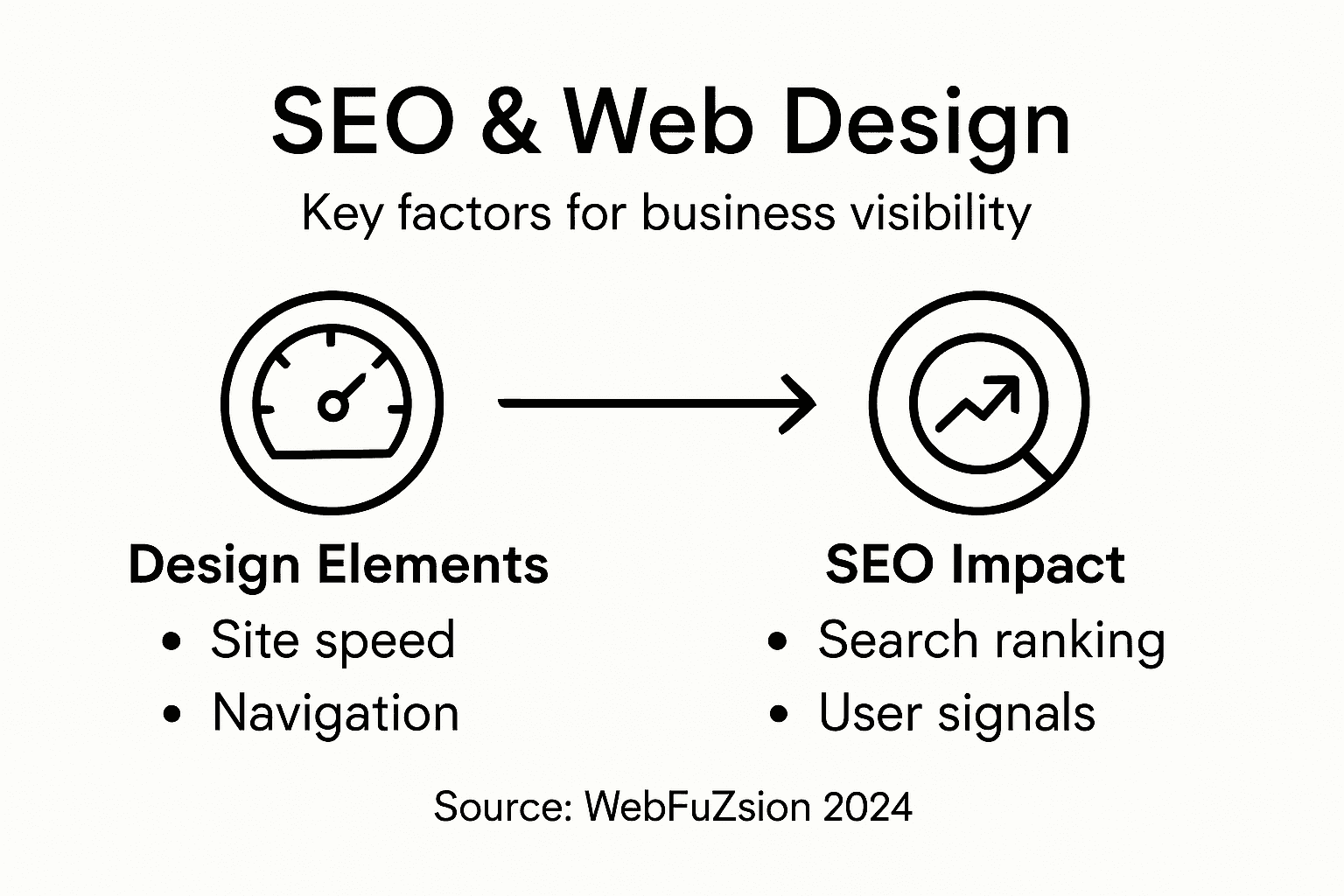
Pro tip: Prioritise technical SEO during initial website design to create a robust foundation for future digital marketing efforts.
Here is a comparison of how key web design elements impact SEO performance:
| Web Design Element | SEO Impact | User Experience Benefit |
|---|---|---|
| Responsive design | Boosts mobile search rankings | Ensures compatibility on devices |
| Site speed optimisation | Improves page ranking and crawl rate | Reduces visitor frustration |
| Clean HTML structure | Eases search engine crawling | Enhances accessibility |
| Semantic navigation | Clarifies site hierarchy for search engines | Simplifies content discovery |
| Secure HTTPS | Strengthens trust and visibility | Protects user data |
Key SEO strategies in site structure
Effective site structure is fundamental to search engine optimisation, serving as the architectural blueprint that guides both user experience and search engine crawling. Proper site architecture ensures content relevance and accessibility, creating a logical pathway that helps search engines understand and index website content more efficiently.
Several critical strategies underpin successful SEO site structure design:
- Creating a hierarchical content organisation
- Implementing clear, logical navigation paths
- Developing intuitive internal linking structures
- Ensuring minimal click depth from homepage
- Utilising descriptive and keyword-rich URLs
- Maintaining consistent site taxonomy
The information architecture of a website plays a crucial role in determining its search engine performance. By strategically grouping related content and creating semantic connections between pages, web designers can significantly enhance a site’s discoverability and ranking potential. This involves carefully mapping content relationships, using breadcrumb navigation, and establishing clear parent-child page hierarchies that reflect thematic relevance.
Technical considerations are equally important in site structure optimisation. Web designers must focus on creating clean, crawlable site maps, implementing schema markup, and ensuring that critical content is not buried deep within complex navigation structures. Silo structures help group related topics and signal topical expertise to search engines, allowing for more precise content categorisation and improved ranking opportunities.
Pro tip: Design your website’s navigation with both user experience and search engine crawlability as primary considerations, creating a structure that feels natural to visitors and transparent to search algorithms.
The following table summarises common site structure errors and their long-term effects:
| Mistake | Long-Term SEO Impact | User Risk |
|---|---|---|
| Excessive click depth | Causes poor indexing | Increases confusion |
| Lack of internal links | Weakens content relevance signals | Reduces engagement |
| Unclear hierarchy | Obscures priority pages | Hinders efficient browsing |
| Inconsistent URLs | Causes duplicate content issues | Frustrates returning visitors |
| Overcomplicated navigation | Delays content discovery | Leads to higher bounce rates |
Optimising content for search and users
Keyword research and user intent form the cornerstone of effective content optimisation, creating a strategic approach that balances search engine requirements with genuine user needs. Modern content strategies must go beyond simple keyword placement, focusing instead on creating meaningful, engaging material that addresses specific user queries and challenges.
Key elements of successful content optimisation include:
- Conducting comprehensive keyword research
- Understanding user search intent
- Creating in-depth, authoritative content
- Implementing clear, descriptive headings
- Using natural language and semantic variations
- Updating content regularly to maintain relevance
The content optimisation process requires a nuanced approach that considers both technical SEO requirements and human readability. Successful strategies involve crafting content that provides comprehensive answers to user questions while maintaining a natural, conversational tone. This means developing in-depth articles that explore topics thoroughly, using structured data and clear formatting to enhance both search engine understanding and user experience.
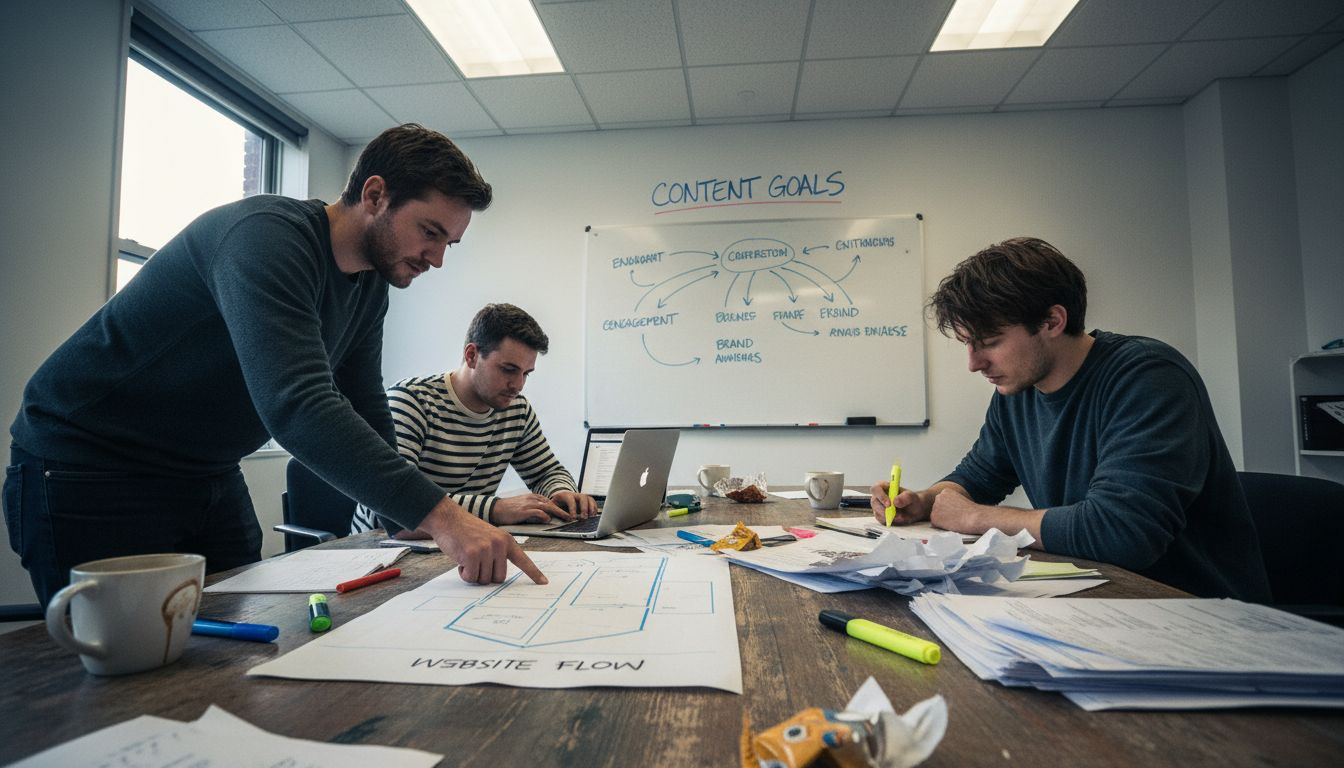
Effective content optimisation improves user engagement by addressing multiple dimensions of search performance. Web designers and content creators must focus on creating material that not only ranks well but also provides genuine value to readers. This involves careful keyword integration, comprehensive topic coverage, and a commitment to updating content to reflect the latest information and user needs.
Pro tip: Create content that answers real user questions comprehensively, balancing technical optimisation with genuine, value-driven information that truly helps your target audience.
Technical SEO essentials for small sites
Technical SEO fundamentals represent a critical foundation for small business websites seeking improved online visibility. Understanding these core principles helps small site owners create robust digital platforms that perform effectively in search engine rankings, despite limited resources and technical expertise.
Key technical SEO essentials for small sites include:
- Implementing secure HTTPS connections
- Optimising page load speeds
- Ensuring mobile device compatibility
- Creating clean, semantic HTML structures
- Using descriptive meta tags
- Developing structured site navigation
- Implementing responsive design principles
The site performance infrastructure demands meticulous attention to technical details that directly impact search engine perception. Small websites must prioritise creating lightweight, efficient digital environments that load quickly and provide seamless user experiences across multiple devices. This involves careful code optimisation, efficient image compression, and strategic use of caching technologies to enhance overall site responsiveness.
Cyber security measures are equally crucial in technical SEO strategy. Small site owners must protect their digital assets by maintaining robust security protocols, implementing regular backups, and ensuring their websites remain resilient against potential digital threats. These technical considerations not only protect the site but also signal credibility to both search engines and potential visitors.
Pro tip: Invest time in understanding your website’s technical performance by regularly using free diagnostic tools like Google PageSpeed Insights to identify and address potential optimisation opportunities.
Common mistakes in SEO integration
Common SEO integration errors can significantly undermine a website’s digital performance and search engine visibility. Understanding these pitfalls helps businesses develop more strategic and effective online marketing approaches that align with search engine best practices and user expectations.
Key mistakes in SEO integration include:
- Keyword stuffing and unnatural content
- Neglecting mobile device optimisation
- Ignoring page load speed performance
- Creating poor site navigation structures
- Using duplicate or thin content
- Overlooking meta tag optimisation
- Implementing black-hat SEO techniques
The content optimisation process demands a nuanced approach that balances technical requirements with genuine user value. Many businesses inadvertently compromise their search rankings by focusing exclusively on search engine algorithms rather than creating meaningful, user-centric content that naturally attracts and retains visitor attention.
Inadequate keyword research strategies often lead to fundamental SEO integration mistakes. Small businesses frequently misunderstand the importance of conducting comprehensive keyword analysis that goes beyond simple volume metrics, failing to align their content with specific user search intents and behaviour patterns.
Pro tip: Regularly audit your website’s SEO performance using free diagnostic tools, focusing on understanding user experience metrics alongside technical optimisation parameters.
Elevate Your Business Visibility with Expert SEO-Integrated Web Design
The article highlights how integrating SEO into your website’s design is essential for boosting visibility and attracting organic traffic. Many small to medium-sized businesses struggle with creating websites that are both visually appealing and technically optimised to rank well in search results. Critical challenges include building a clean site structure, fast loading pages, and mobile responsiveness-elements that directly influence search engine rankings and user experience.
At WebFuZsion, we understand these pain points deeply. Our custom web design and SEO services are crafted to solve these exact problems by developing sites with seamless navigation, strong technical SEO foundations, and content strategies aligned with user intent. Whether you need a full website build, a redesign, or ongoing SEO support, our tailored solutions help you achieve long-term growth and increased online visibility.
Ready to transform your digital presence and make your business stand out in search engines? Discover how our professional team can help you with custom website builds and SEO enhancements designed specifically for small to medium businesses. Visit WebFuZsion today and take the first step towards a website that not only looks great but performs exceptionally in search results.
Recommended
- What Is SEO and How It Boosts Local Business | WebFuZsion Blog | WebFuZsion
- SEO Strategy Guide for Business 2025 |… | WebFuZsion Blog | WebFuZsion
- How to Design a Website for Small Businesses… | WebFuZsion Blog | WebFuZsion
- Branding in Web Design - Driving Business Success | WebFuZsion Blog | WebFuZsion
- SEO: the submerged part of the iceberg. | Blog of Done
Related Links
Frequently Asked Questions
What is the role of SEO in web design?
SEO in web design is crucial for enhancing website visibility and performance. It involves integrating technical and content-driven strategies into the site architecture to improve search engine rankings and attract organic traffic.